
Page last updated October 18, 2016
Science in Our World —Certainty and Controversy (SC200) is an entry-level General Education course NOT for Science majors. Andrew teaches it every Fall. It is, by analogy with literature, dance, wine, food and music appreciation courses, a science appreciation course. It assumes no background knowledge. It is particularly suited for students who loathed science at school. The aim of the course is to make the citizens and leaders of the future better consumers of science. The philosophy is summarized here.
When the course is running, Andrew maintains a teaching blog, where there is also a lot of stuff about course philosophy, pedagogy and tall yarns about Penn State students. For 40% of the final grade, students are required to actively contribute to the course blog (2016, 2015, 2014, 2013, 2012, 2010-2011).
This is the most challenging course Andrew has ever taught. Teaching evolution, microbiology, immunology, ecology and even statistics to British zoologists was a walk in the park. Teaching statistics to British immunologists was a challenge. But teaching science and critical thinking to the unwilling? Phew.
SC200 first happened in 2010, with 70 students of all age groups. It had 100 students in 2011, and 178 in 2012 and 2013. In 2014, we limited the class to freshmen (freshpeople), 200 of them. That worked, and so we went to 360 in 2015 and again in 2016. Ten staff support the class: three undergrad TAs (chosen from the class of 2015), Staff Assistant Monica, Tech Support Chris, and five grad student graders.
**********
Epidemics – the Dynamics of Infectious Diseases was a Massive Open Online Course which ran in the Fall 2013 on the Coursera platform as one of Penn State’s first forays into the world of MOOCs. It is a gateway course conceived and driven by Marcel Salathe. Andrew was one of eight CIDD faculty Marcel tried to herd in the same direction. The MOOC was free to all, and in 2013 about 30,000 students enrolled globally (including my Dad), and we had about 10,000 active participants. It was an amazing ride. The MOOC is running again in Fall 2014; Matt Ferrari is taking the lead on the re-run and up dates and where we take it next. We’re trying to integrate it more with what happens on campus, and maybe develop some of the more technical aspects. The videos are on the CIDD u-tube channel.
**********
And then there is the best classroom in the world: 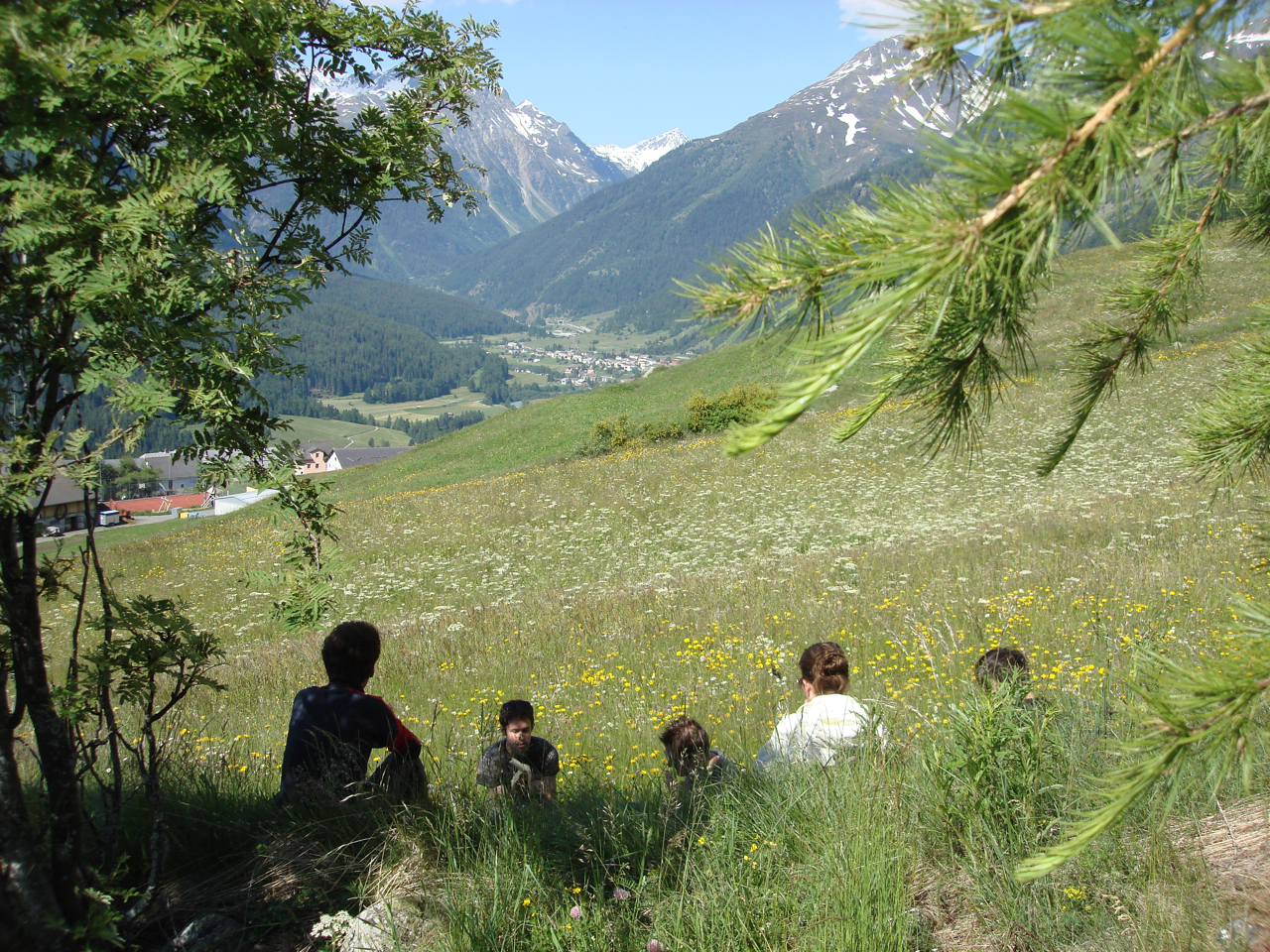 Andrew was teaching when he took that picture. Really.
Time off on that course looks like this:
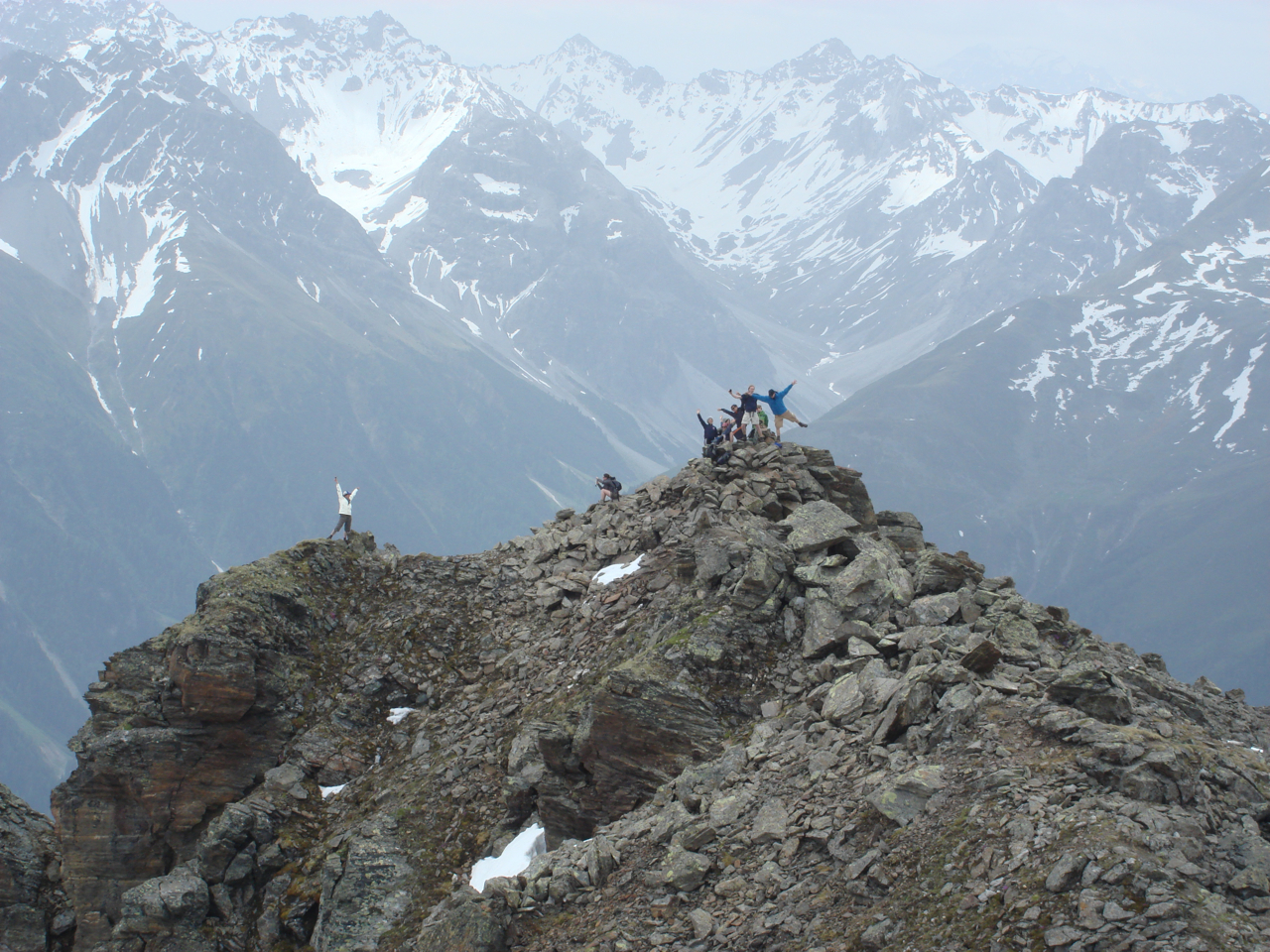 Someone has to.
Last updated October 18, 2016